
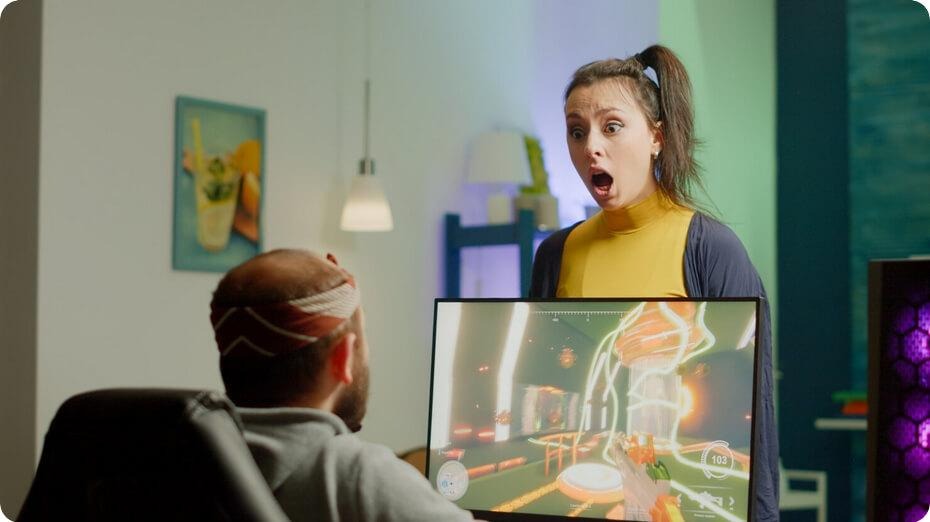
There’s something weird about the way people talk about video game endings. Go to a forum, check a subreddit, browse a comment section, and sooner or later, someone is yelling about how the ending “ruined the whole game.”
After many years, nothing has changed. People still rage about endings, just like they did back when games were on discs and lenders had to mail them back.
But why? Games in 2026 are bigger, prettier, more cinematic, and sometimes more complicated than films or TV shows. Yet, when the credits roll, the arguments begin.
You’d think we’d be used to it by now. Instead, there’s a strange ritual that unfolds online: players debating the meaning, the quality, the message, or whether the ending was even fair. It’s become almost as important as the game itself.
Let’s unpack why endings still matter so much. And why, no matter how far technology goes, players still fight over how a game finishes.
Stories Are Personal – Even When They Aren’t
Games have changed dramatically. Early titles had simple endings: a flagpole raised, a princess saved, a high score. Nowadays, stories feel layered. They have branching paths, moral choices, multiple submissions, alternate timelines, and DLC epilogues. There’s content locked behind some choices, and only a few players ever see it.
That makes endings feel like a reward for commitment. You don’t just watch a final cutscene, but you play your way into it. Players invest dozens of hours, sometimes hundreds. That emotional investment makes endings feel personal. When something doesn’t “click” with them, it feels like a betrayal.
It’s not just a narrative judgement. It’s emotional. Games put players in control. They give perspective. They make you care about characters in ways films or books seldom do. So when a game ends in a way that feels unsatisfying, players feel cheated – because they lived with it.
Expectations Get Out of Hand
Communities have a role too. Before a major release, players speculate about possible endings. They draw theories, draft predictions, shout them on Twitter, Reddit, Discord, TikTok, YouTube. Months of hype build an imagined ending in everyone’s head.
Then the real ending arrives. And nine times out of ten, it’s not exactly what some players pictured. That’s normal. It’s how storytelling works. But when everyone has pre‑made expectations, disappointment feels magnified.
This is especially true for world‑building games with wide lore and long histories. When a story ties into decades of franchise staples, players feel ownership over the narrative. People react as if endings are property rather than creative interpretations. And when endings don’t match fan theories, arguments erupt like untimed grenades.
Emotional Stakes Are Higher Than Ever
Games don’t pull punches these days. They push emotional beats, big reveals, plot twists, moral ambiguity, heartbreak, betrayal. Developers want players to feel something. That’s wonderful. But it also raises the stakes. When a game’s story has made players cry, laugh, rage, or gasp – of course, the ending becomes a heated debate.
No other medium asks you to participate in the story as games do. You don’t just watch – you act. That creates a sense of agency. You feel responsible for choices. You remember your decisions. So endings aren’t just results – they’re reflections of your journey. And when a reflection doesn’t align with your experience, you feel misunderstood.

Branching Paths and the Illusion of Choice
Here’s an ironic twist: many games advertise multiple endings, multiple choices. But sometimes those choices don’t matter as much as players think. Some paths converge to the same outcome. Some choices are cosmetic.
Players don’t like that. They want something that honours the decisions they made. They don’t want illusions. They want closure that respects their playthrough. But developers face a real dilemma: creating truly divergent endings multiplies storytelling costs exponentially. It’s expensive, complicated, and time‑consuming. So studios often opt for centralized finales with minor variations.
Players sense that. And they react. Some love the artistry. Others feel baited and switched.
The Community Echo Chamber
Online communities amplify these disagreements. One player posts a rant, another posts a rebuttal. Then memes start, then clips, then live debates. Things escalate fast, just as online spaces built around engagement, from esports forums to top real money casinos for Australians, are designed to keep people talking, reacting, and coming back.
Entire YouTube videos are dedicated to explaining “why this ending works” or “why it’s awful.” Streams host live discussions with hundreds of viewers arguing about symbolism and narrative justice.
So endings don’t just stand on their own anymore. They become events. Something shared, debated, dissected, memed, and analysed frame by frame. It’s collective behaviour. It transforms what should be a personal finish into a social spectacle.
The Role of Refund Policies and Live Services
Here’s a modern twist: many games are not finished at launch. Post‑launch content extends narratives. Endings can change. New epilogues are added. DLC can rewrite the final chapter. Developers respond to fan feedback.
This can be a double‑edged sword. Some players feel happy that endings evolve. Others feel like endings become incomplete products sold early, waiting for patches and expansions that add closure later.
It’s a pattern that wouldn’t happen without digital distribution. Back in the cartridge era, what you saw was what you got. Now games are “living,” and endings can be updated. For some, that’s exciting. For others, it dilutes the sense of finality.
Why Players Still Argue
At the end of the day, arguments about endings are about meaning. Players want their time respected. They want narratives that reward immersion and choice. And they want endings that feel earned, not arbitrary.
Fan debates show how much gaming has matured as a narrative art. This isn’t a flaw – it’s evidence that games matter. When players care enough to disagree, that’s not trivial – it’s invested.
Communities will always argue. They always have. And as long as games keep pushing narrative boundaries, those debates won’t go away. Endings will always be beloved by some, criticised by others, and analysed by the rest.

Why It Still Matters in 2026
In 2026, storytelling in games is richer than ever. Developers take cues from films, novels, theatre, and real life. Players bring their own experiences, biases, and expectations. When those collide, endings become more than finishes – they become conversation starters.
Maybe that’s the real reason divisions persist. Games have become a shared language. They’re cultural touchstones. Players defend their interpretations passionately. They quote lines, share ending screenshots, revisit paths, compare choices, and create art inspired by finales.
Games aren’t just entertainment. They’re experiences that stay with players long after the credits roll. And when something stays with you, you talk about it. You debate it. You argue about it. You care about it.
That’s why, even in 2026, endings still divide players. They always will.